Why Are Certain Chemicals Listed as Banned Pesticide in malaysia?
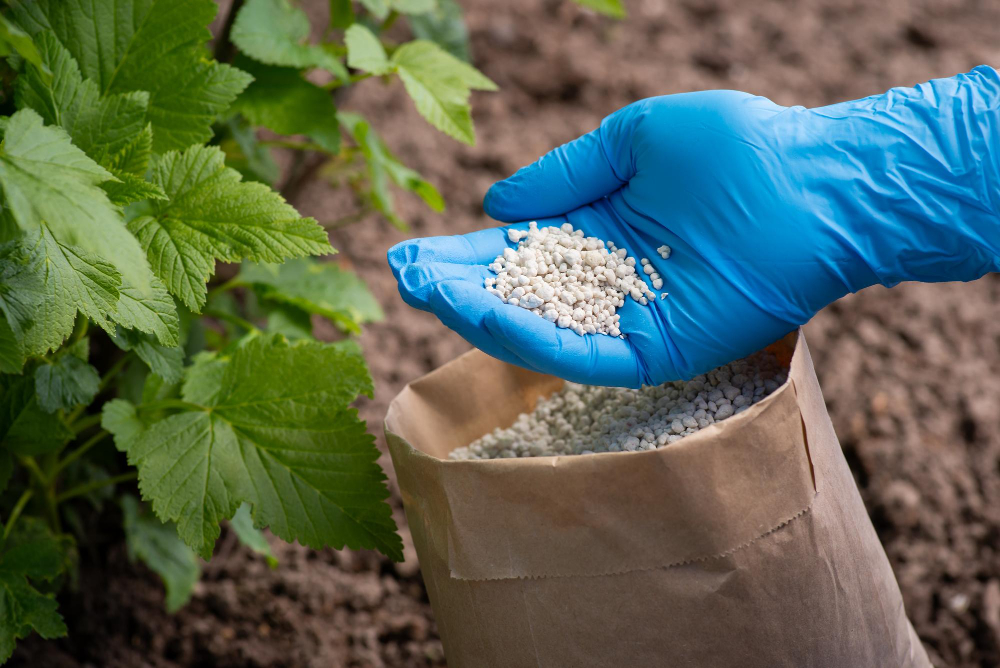
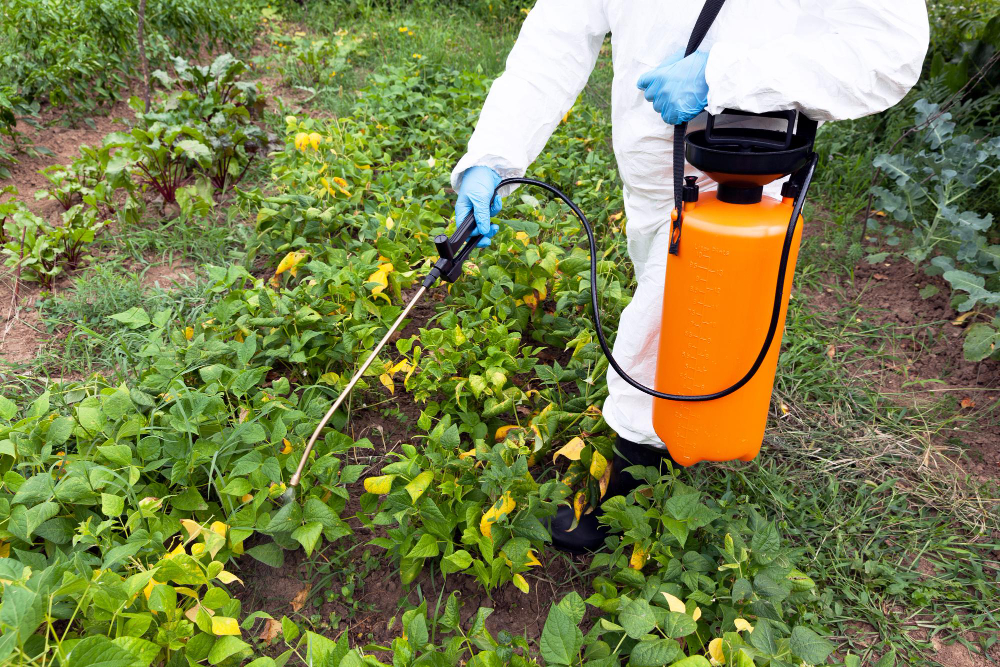
The agrochemical industry plays an important role in supporting modern agriculture, improving crop protection, and increasing food production. However, not every pesticide is considered safe for long-term use. Over the years, Malaysian authorities have identified several chemical substances that are no longer suitable for agricultural application due to health, environmental, and safety concerns.
This is why the topic of banned pesticide in malaysia has become increasingly important for manufacturers, distributors, importers, and farmers.
Understanding why certain pesticides become banned helps agrochemical businesses stay compliant while supporting safer and more sustainable agricultural practices.
What Is a Banned Pesticide?
A banned pesticide refers to a chemical substance that is prohibited from being manufactured, imported, sold, distributed, or used within Malaysia.
A pesticide may be classified as a banned pesticide in malaysia when scientific evidence shows that the chemical creates unacceptable risks to:
- Human health
- Food safety
- Water sources
- Wildlife and ecosystems
- Agricultural sustainability
Once banned, these substances can no longer be legally used in pesticide formulations or agricultural applications.
Who Controls Pesticide Regulations in Malaysia?
Malaysia has strict regulatory systems to monitor agrochemical products and pesticide usage. Regulatory authorities evaluate pesticides before approval and continue monitoring them after commercial use.
These evaluations focus on:
- Toxicity levels
- Environmental impact
- Residue risks
- Long-term exposure effects
- International safety standards
As scientific understanding evolves, certain chemicals previously approved may later become categorized as a banned pesticide in malaysia.
Main Reasons Why Pesticides Become Banned
There are several major reasons why pesticides may be prohibited in Malaysia.
1. Risks to Human Health
One of the biggest reasons chemicals become a banned pesticide in malaysia is the potential danger to human health.
Some pesticide ingredients may cause:
- Skin irritation
- Respiratory problems
- Organ damage
- Long-term health complications
In severe cases, prolonged exposure to highly toxic chemicals may affect agricultural workers, nearby communities, and consumers through food residue contamination.
As health studies improve over time, governments may decide that certain pesticides are no longer safe for use.
2. Environmental Damage
Certain pesticides remain active in soil and water for extended periods. This can create serious environmental consequences such as:
- Water contamination
- Soil degradation
- Harm to aquatic life
- Reduction in biodiversity
Malaysia’s agricultural sector increasingly emphasizes sustainable farming practices. Chemicals with significant environmental risks are more likely to become classified as a banned pesticide in malaysia.
3. Harm to Beneficial Insects and Ecosystems
Not all insects are harmful to crops. Bees, pollinators, and natural predators play important roles in maintaining ecological balance.
Some pesticide chemicals negatively affect:
- Pollinators
- Beneficial insects
- Birds
- Wildlife populations
When scientific evidence shows that a chemical damages ecosystems significantly, regulatory authorities may prohibit its use.
4. Food Safety Concerns
Food safety is another major factor in pesticide regulation.
Certain pesticides may leave harmful residue on vegetables, fruits, or agricultural products. Excessive residue levels can create health concerns for consumers and affect export quality standards.
Because of this, authorities closely monitor pesticide residue limits. Chemicals that fail to meet safety standards may become categorized as a banned pesticide in malaysia.
5. International Regulatory Alignment
Malaysia’s agrochemical industry is connected to international trade and export markets. Many countries maintain strict import standards for agricultural products.
If certain chemicals become restricted globally, Malaysia may also review and prohibit those substances to align with international regulations.
This is especially important for companies involved in export-oriented agriculture and agrochemical manufacturing.
Impact on Agrochemical Manufacturers and Distributors
For agrochemical businesses, understanding banned pesticide in malaysia regulations is extremely important.
Failure to comply may lead to:
- Product registration rejection
- Financial penalties
- Product recalls
- Export restrictions
- Reputation damage
Manufacturers and distributors must continuously monitor regulatory changes and ensure all formulations remain compliant with current standards.
Importance of Regulatory Compliance
Modern agrochemical businesses cannot focus only on product performance. Compliance and safety are now equally important.
Companies should:
- Verify raw material sources
- Monitor restricted chemical lists
- Conduct proper testing
- Maintain documentation
- Follow approved formulation guidelines
Working with experienced agrochemical partners helps reduce compliance risks significantly.
How Agrochemical Companies Can Stay Updated
Pesticide regulations continue evolving as new scientific research becomes available. Agrochemical companies should regularly:
- Review regulatory announcements
- Monitor ingredient restrictions
- Update formulation strategies
- Conduct compliance audits
Businesses involved in product development should also ensure that all active ingredients remain legally approved for use in Malaysia.
The Shift Toward Safer Agrochemical Solutions
The global agrochemical industry is moving toward:
- Safer formulations
- Lower toxicity products
- Sustainable agriculture practices
- Environmentally responsible crop protection
This shift encourages manufacturers to innovate while maintaining compliance with pesticide safety regulations.
Companies that adapt early will have stronger long-term positioning in both local and international markets.
Conclusion
Understanding why certain chemicals become classified as banned pesticide in malaysia is essential for agrochemical manufacturers, distributors, and agricultural businesses.
These regulations exist to protect:
- Human health
- Food safety
- Environmental sustainability
- Agricultural productivity
As regulations continue evolving, businesses that prioritize compliance, responsible sourcing, and safer formulations will remain competitive and sustainable in the Malaysian agrochemical industry.