Pesticide for Vegetable Farming Malaysia: Why It Matters
In Malaysia’s tropical climate, vegetable farming faces constant challenges from pests, diseases, and weeds. High humidity and warm temperatures create the perfect environment for insects and fungi to thrive. This makes choosing the right pesticide for vegetable farming Malaysia not just important—but essential for maintaining crop quality and yield.
Farmers who fail to manage pests effectively often experience reduced harvests, lower product quality, and financial losses. On the other hand, using the right pesticide solutions ensures healthy crops, consistent production, and better market value.
Common Pest Challenges in Malaysia Vegetable Farming
Before selecting a pesticide for vegetable farming Malaysia, it is important to understand the common threats faced by farmers:
1. Insect Infestations
Vegetables are highly vulnerable to insects such as aphids, caterpillars, whiteflies, and beetles. These pests feed on plant tissues, causing damage and spreading diseases.
2. Fungal Diseases
Malaysia’s humid environment encourages fungal growth. Diseases such as powdery mildew, leaf spot, and blight can spread quickly if not controlled early.
3. Weed Competition
Weeds compete with crops for nutrients, sunlight, and water. Without proper control, they can significantly reduce crop yield.
These challenges highlight the need for a reliable pesticide for vegetable farming Malaysia that targets multiple threats effectively.
Types of Pesticides Used in Vegetable Farming
Selecting the right pesticide depends on the specific problem. The main categories include:
Herbicides
Used to control unwanted weeds that interfere with crop growth. Herbicides are essential for maintaining clean and productive vegetable farms.
Herbicides
Designed to eliminate harmful insects that damage crops. Effective insecticides help protect leaves, stems, and fruits from infestation.
Herbicides
Used to prevent and control fungal infections. Fungicides are especially important in Malaysia due to high humidity levels.
A well-planned crop protection strategy often involves a combination of these solutions, making it crucial to source the right pesticide for vegetable farming Malaysia.
How to Choose the Right Pesticide for Vegetable Farming Malaysia
Not all pesticides are created equal. Choosing the wrong product can lead to ineffective control or even harm the crop. Here are key factors to consider:
1. Crop Compatibility
Different vegetables respond differently to chemical formulations. Always ensure the pesticide is suitable for your specific crop type.
2. Pest Targeting
Identify the exact pest or disease before selecting a pesticide. Using a targeted solution improves effectiveness and reduces unnecessary chemical use.
3. Safety and Compliance
Malaysia has strict regulations regarding pesticide use. Always choose products that comply with local standards and avoid any banned substances.
4. Environmental Impact
Modern farming practices focus on minimizing environmental harm. Choose pesticides that are effective but safe for soil, water, and surrounding ecosystems.
5. Residue Control
For vegetable farming, especially those sold fresh, low residue levels are critical to meet food safety standards.
Importance of High-Quality Agrochemical Products
Using high-quality agrochemical products plays a major role in achieving consistent results. Poor-quality pesticides can lead to:
- Ineffective pest control
- Crop damage
- Regulatory issues
- Loss of consumer trust
That is why farmers and distributors must source their pesticide for vegetable farming Malaysia from reliable suppliers with proven expertise.
Role of Agrochemical Experts in Malaysia
Professional agrochemical companies provide more than just products. They offer:
- Technical guidance on pesticide selection
- Support for proper application methods
- Assistance with regulatory compliance
- Customized solutions for different crops
Working with experienced suppliers ensures that farmers use the most suitable pesticide for vegetable farming Malaysia based on local conditions.
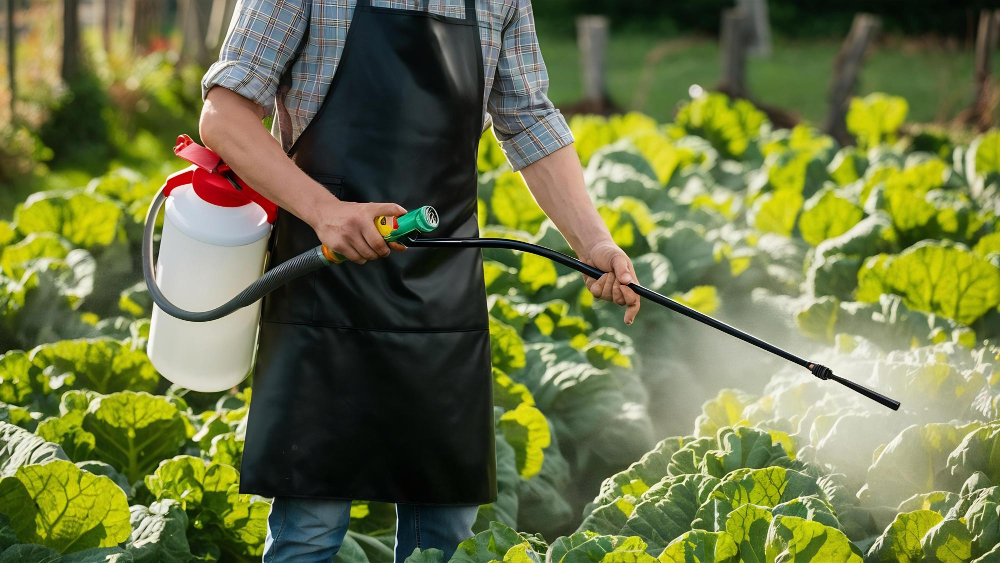
Best Practices for Pesticide Application
Even the best pesticide will not work effectively if applied incorrectly. Follow these best practices:
1. Apply at the Right Time
Spraying during early morning or late afternoon reduces evaporation and improves effectiveness.
2. Follow Recommended Dosage
Overuse can harm crops and increase residue levels, while underuse may not control pests effectively.
3. Rotate Pesticides
Using the same pesticide repeatedly can lead to pest resistance. Rotation helps maintain long-term effectiveness.
4. Use Proper Equipment
Ensure sprayers and equipment are clean and calibrated for even distribution.
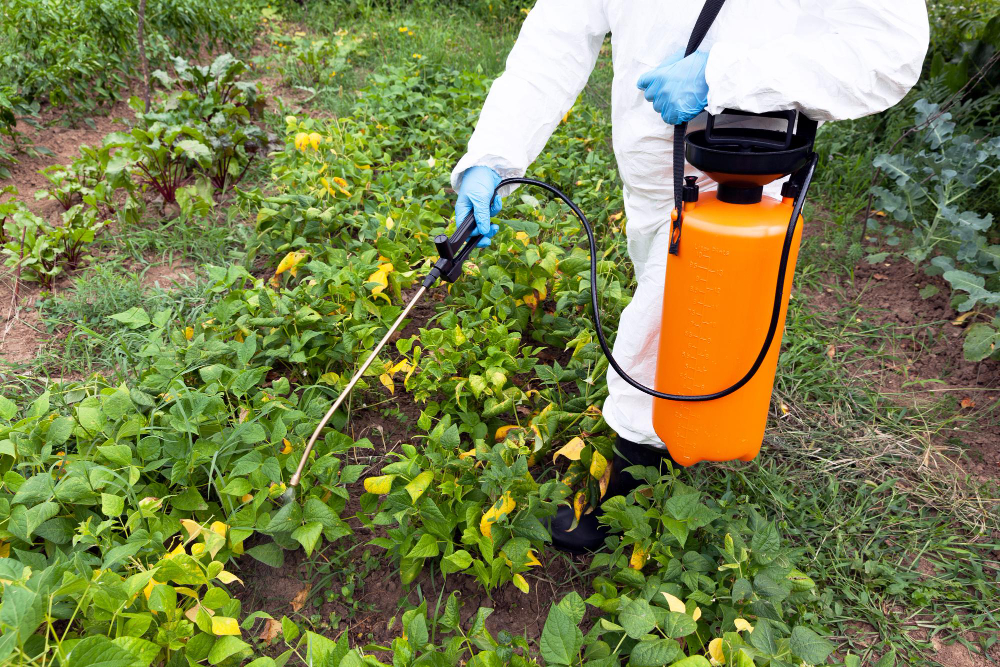
5. Ensure Worker Safety
Always use protective gear and follow safety guidelines during pesticide handling and application.
Why Reliable Supply Matters
For commercial vegetable farming, consistent supply is critical. Delays or shortages in pesticide availability can lead to uncontrolled pest outbreaks.
Choosing a reliable supplier ensures:
- Consistent product availability
- Stable product quality
- Access to technical support
- Long-term partnership
This is especially important for businesses looking for dependable pesticide for vegetable farming Malaysia.
Conclusion
Choosing the right pesticide for vegetable farming Malaysia is essential for protecting crops, improving yield, and ensuring food safety. With the right combination of herbicides, insecticides, and fungicides, farmers can effectively manage pests and diseases in Malaysia’s challenging climate.
By working with experienced agrochemical suppliers and following best practices, vegetable farmers can achieve sustainable growth and long-term success.